
How to Choose a WetLink Penetrator JPT
WetLink Penetrator JPT (WLP JPT) is a compression gland cable penetrator designed to seal cables as they pass into a device or enclosure. Unlike the original WetLink Penetrator, WLP JPT doesn’t require any cable prep or jacket stripping.
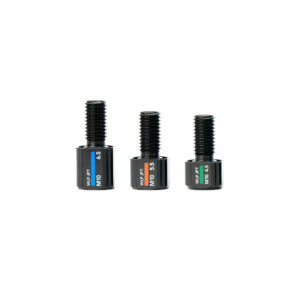
This guide will cover how WLP JPT works, and how to choose the right WLP JPT size for your cable.
How WLP JPT Works
If you’ve familiar with the original WetLink Penetrators, WLP JPT works the same way, and uses some of the same parts.
The WetLink Penetrator works by compressing a rubber seal around the cable, forming a watertight interface.
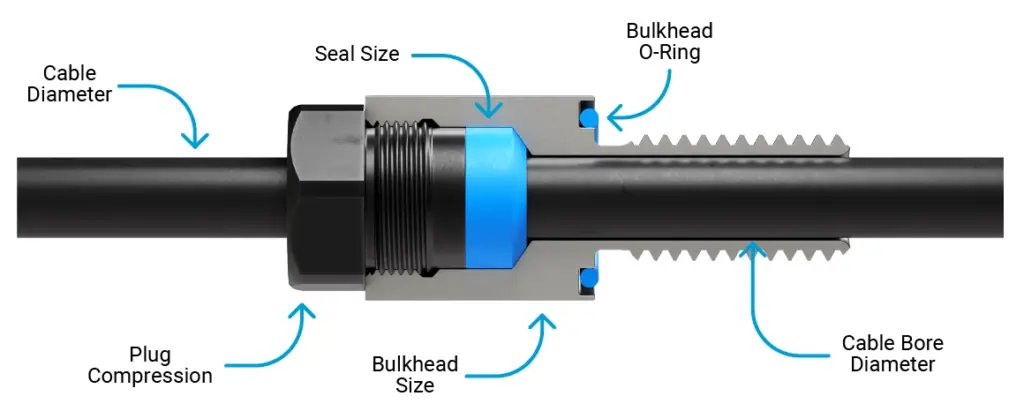
WLP JPT has three nominal seal sizes: 4.5, 5.5, and 6.5 millimeters.
Each seal size has two plug compression options:
- Low Compression (LC) plugs are for cable diameters in the nominal range.
- High Compression (HC) plugs apply more pressure, shifting the compatible diameter range downward for smaller cables.
These two plug options allow each seal size to cover a broader range of cable diameters with some overlap between adjacent ranges.
The following image shows how the size ranges overlap.

WLP JPT Depth Rating
The WLP JPT has a baseline depth rating of 100 meters (328 ft) when paired with the correct size cable. Beyond 100 meters, water pressure may begin to push the cable through the bulkhead, this is called extrusion. Cable extrusion does not cause a leak, but if left unmitigated over many dive cycles, the cable being pushed into the enclosure could stress internal wiring or damage connected components.
Extrusion rate varies by cable depending on jacket material and operating conditions. Blue Robotics provides depth data and extrusion rates for some cables we supply. For third-party cables, depth rating should be established through pressure testing.
What makes a cable compatible with WLP JPT?
Even though we’ve designed the WetLink Penetrator product line to be very robust, every cable is unique! There are no hard rules on what makes a cable compatible or not, but we’ve provided some guidelines below.
The amount of compression of the seal around the cable jacket is the most important factor when determining if a WetLink Penetrator will seal reliably on a cable. Your goal when selecting a WetLink Penetrator is to get just the right amount of compression of the seal around the cable jacket—not too much and not too little. Too little compression will result in a leak through the seal or the cable pulling out easily when strained. Too much compression may cause the cable or conductors to break. We will show you how to check if you have the right amount of compression later in the Choosing a WLP JPT For Your Cable section of this guide.
Along with the amount of compression, the following factors also affect compatibility:
- Jacket material: soft jackets typically require more compression than harder jackets. If the jacket is very soft, like a foam jacket, higher compressions are typically needed than are specified in the table.
- Cable construction: some cables have tighter constructions, which typically require less compression, and some have a looser construction with lots of free space, which typically need more compression.
- Operating temperature: higher temperatures (usually >60°C-70°C) translates to more compression set (loss of compression over time) in both the seal and the cable jacket.
- High temperatures in combination with high compression can lead to the cable reducing in diameter to the point where either the cable breaks, or there is total loss of seal pressure and the interface leaks.
- High temperatures in combination with too low of a compression can lead to total loss of seal pressure and the interface leaks, or is unable to withstand any strain.
Choosing a WLP JPT For Your Cable
This section will guide you through the process of choosing a compatible WetLink Penetrator for you cable. Please note, all of the tables mentioned are also found on the WetLink Penetrator JPT product page.
First, check the tested cables table below. If you are using any of these cables, the compatible WLP JPT is already linked and you can skip the rest of this guide.
| Compatible WetLink Penetrator | Cable Part Name / Number | Application | Jacket Diameter | Jacket Material | Conductors | Rec. Max Temp ¹ | Rec. Max Depth @ 20℃ | Rec. Max Depth @ 40℃ | Cable Extrusion ² |
|---|---|---|---|---|---|---|---|---|---|
| BR-107163-145 | Fathom Slim Tether | Tether | 4.0 mm | PUR Foam | 1x UTP 26AWG | 50℃ | 950 msw | 500 msw | < 1 mm |
| BR-107163-045 | Lumen/Gripper Cable | Power / PWM | 4.5 mm | PUR | 3x 22AWG | 60℃ | 950 msw | 500 msw | < 3 mm |
| BR-107163-155 | Ping Cable | Power / Serial | 4.5 mm | PUR | 4x 24AWG | 60℃ | 300 msw | 100 msw | < 3 mm |
| BR-107163-055 | Ping360 Cable | Power / Ethernet | 5.5 mm | PUR | 3x UTP 26AWG | 50℃ | 950 msw | 100 msw | < 3 mm |
| BR-107163-065 | T200 Thruster Cable | Power | 6.4 mm | PUR | 3x 16AWG | 60℃ | 300 msw | 100 msw | < 2 mm |
| ¹ Sustained high temperatures or current can lead to performance loss over long periods of time. ² After 300 cycles. Extrusion does not cause a leak. If left unmitigated, extrusion will continue with repeated dive cycles. |
|||||||||
If your cable is not in the table, follow the following process to measure your cable:
1. Start by measuring the jacket diameter of your cable. If your cable is out of round, try to reshape it so it’s round or measure the largest diameter.
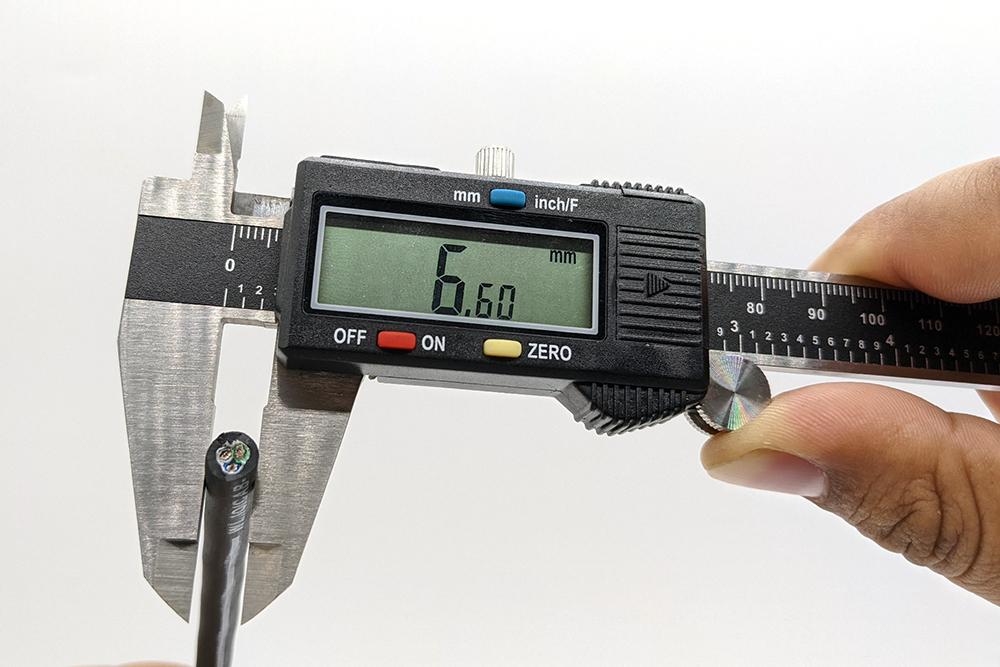
2. Take the measured cable diameter and refer to the Size Index or Size Index Table below for the compatible seal size and plug compression. This will give you a good starting point, but be aware that the final fit and sealing performance depends on the specific cable, so we recommend getting one size above and one size below to test with just in case.
If your cable jacket diameter falls in the overlap between WLPs:
- If your cable is between high compression and low compression of the same seal size, it may not matter which you choose. Try testing with both and choose the size with the best looking compression as outlined in step 5.
- If your cable is between seal sizes, try the larger seal size. Larger seal sizes have a larger cable bore to pass the cable through more easily.
- Consider jacket material and cable construction. Soft jacket material or loose cable construction may need more compression or a smaller seal. Harder jackets or tighter construction may need less compression.
Size Index
Size Index Table
| Seal Size | Bulkhead Size | Cable Bore Diameter | Plug Compression | Cable Diameter Range | Part Number | |
|---|---|---|---|---|---|---|
 | 4.5 | M10 | 4.8 mm | High (HC) | 3.7 – 4.3 mm | BR-107163-145 |
| Low (LC) | 4.2 – 4.8 mm | BR-107163-045 | ||||
 | 5.5 | M10 | 5.7 mm | High (HC) | 4.7 – 5.3 mm | BR-107163-155 |
| Low (LC) | 5.2 – 5.7 mm | BR-107163-055 | ||||
 | 6.5 | M10 | 6.7 mm | High (HC) | 5.7 – 6.3 mm | BR-107163-165 |
| Low (LC) | 6.2 – 6.7 mm | BR-107163-065 | ||||
3. Assemble the penetrator onto the cable by following the WetLink Penetrator JPT assembly guide.
4. After assembly, lightly pull on the cable and WLP with about 5 to 10 lbs of force for about 5 seconds (this feels about the same as picking up an adult cat). The cable should remain firmly seated in the WLP. If the cable slips in the WLP JPT you do not have enough compression. Use a higher compression plug or a smaller seal size.
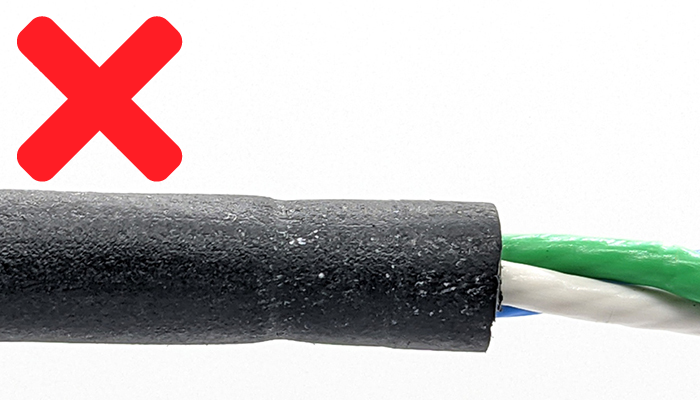
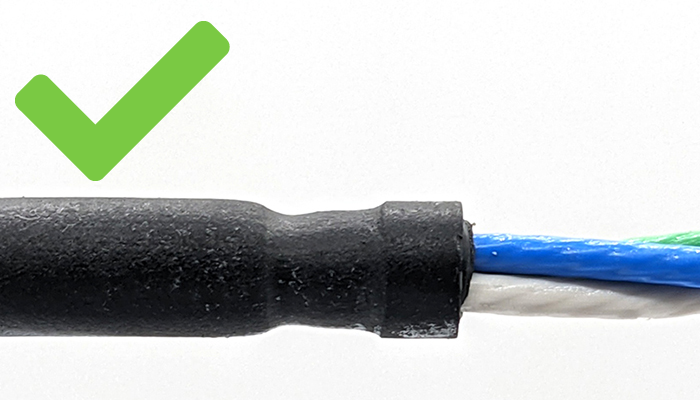
5. Let the assembled WLP and cable sit for at minimum 6 hours or overnight, then disassemble. Check the level of compression around the cable jacket. This is the most important factor when determining if the WLP will seal reliably. Compare the level of compression on your cable to the pictures below.
- Too much compression. The seal has compressed too tightly around the jacket and there is risk of damage to the cable or conductors. Try again with a lower compression plug and a new section of cable.
- Too little compression. The seal has not compressed around the cable jacket enough and will likely leak or pull out easily when strained. Try again with a higher compression plug and a new section of cable.
- Ideal compression. The cable jacket is showing a good amount of compression to seal reliably while not damaging the cable or conductors.
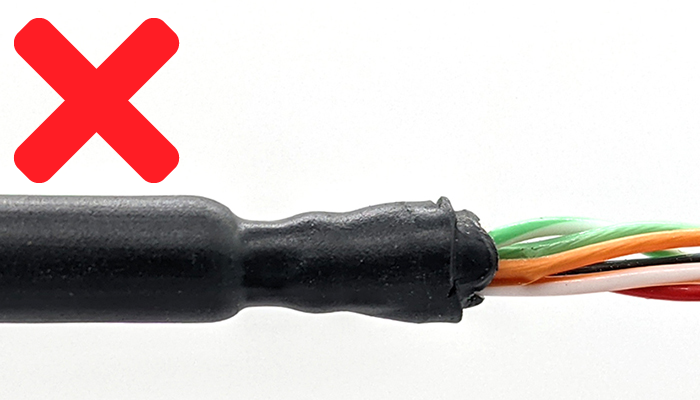
6. If the compression looks good then this WetLink Penetrator size is compatible with your cable. Make sure to always vacuum test the seal before using it in your application. Then happy diving!
Feedback
We’re always working to make our guides better. Let us know how we can improve this one here.